
Commercial finance, without the guesswork.
Commercial cases rarely fit a template. Lenders look at the property, the business or tenant, and how the loan will be repaid, and each one weighs those differently. We check the case against the lender's criteria before it's submitted, so you're not chasing declines.
Commercial
For trading businesses buying or refinancing their own premises, and investors buying or refinancing let commercial property.
Commercial lending is assessed case by case. There's no single scorecard. The lender looks at the property, the strength of the business or tenant, the lease and how the loan will be repaid, and weighs each one differently.
That makes the presentation of the case as important as the numbers. We prepare the accounts, leases and background the underwriter will ask for, and check the case against your chosen lender's appetite before it goes in.
- Owner-occupied premises for trading businesses
- Commercial investment property
- Refinancing existing commercial debt
- Shops, offices, industrial units and warehouses
- A business tenant buying the premises it already trades from
- A purchase funded through a SIPP or SSAS pension scheme
- A professional practice buying its premises, such as a dental or veterinary surgery
- A business whose bank said no to the premises
- Care homes and healthcare premises
- Hotels, guest houses and leisure property
- Pubs and restaurants
- Trading businesses where the lender values the business as well as the building
- Borrowing through a limited company, SPV, LLP, partnership or trust
Owner-occupied: what lenders look at
The lender is lending to the business as much as against the property. They'll want to see that the business can comfortably afford the repayments from its trading profits, usually from the last two to three years' accounts. A shorter trading history can still be considered with some lenders, but expect a larger deposit.
Investment: what lenders look at
Here the rent repays the loan. Lenders look at the strength of the tenant, the length of the lease and how much of the rent covers the monthly payment. A longer lease to an established tenant opens up more lenders.
Vacant property or short leases narrow the options, but they aren't always a dead end.
Short-term finance for a commercial purchase or refurbishment can be arranged as a bridge. See our Bridging page.
Trading businesses: what lenders look at
For care homes, hotels, pubs and similar businesses, the property's value depends on the trade. Lenders look at the trading accounts, occupancy or turnover, and the client's experience in that sector. Many will need a specialist valuation.
Semi-commercial
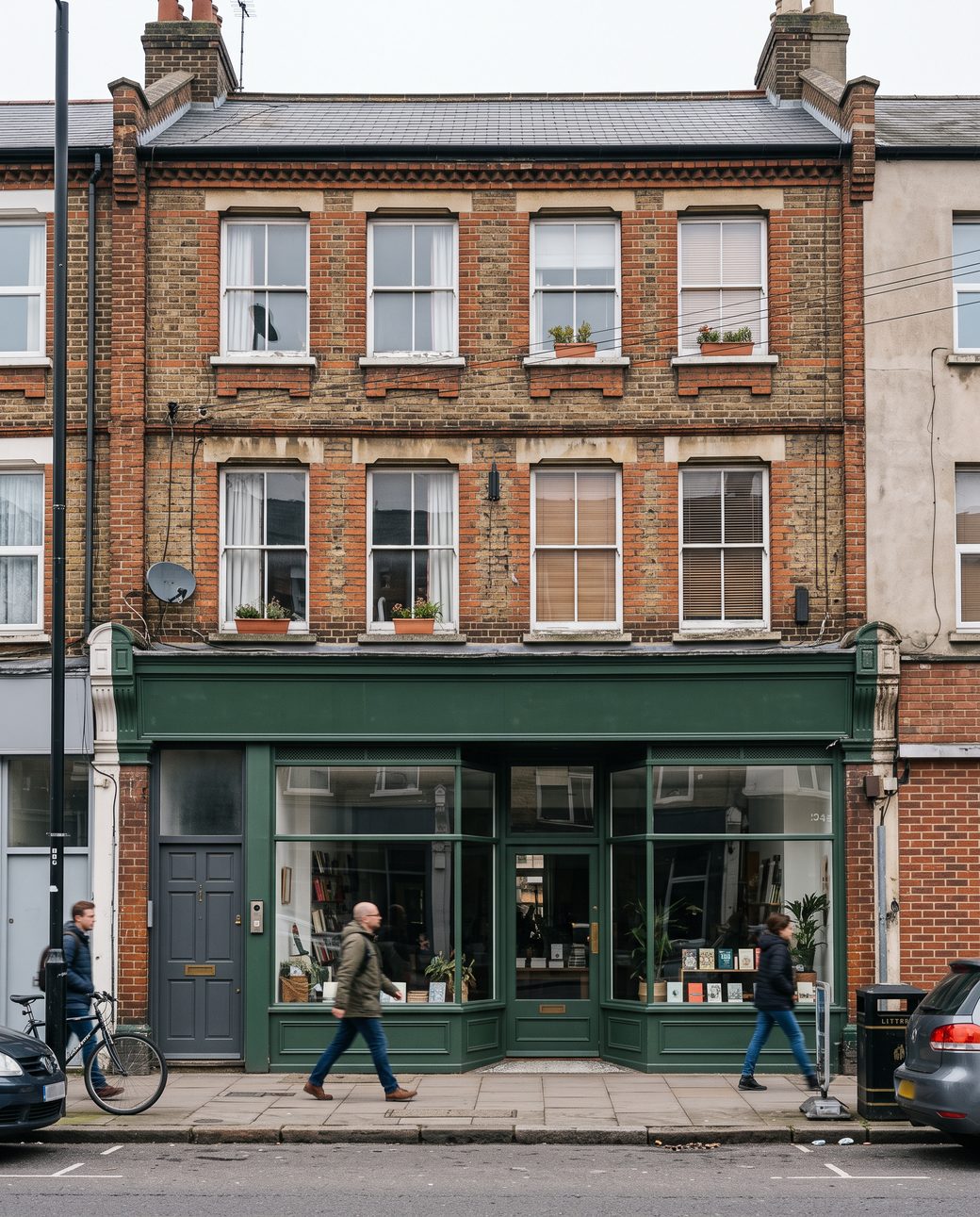
Mixed-use property: part commercial, part residential, often on a single title. For owner-occupiers and investors.
Lenders assess both parts: the commercial lease or business, and the residential income. Not every lender is comfortable with the mix, so we'll confirm your chosen lender will consider it before it's submitted. If the client or a family member will live in the residential part, the loan may be regulated. Tell us at the start, as it changes which lenders can help.
- A shop or office with a flat above
- A restaurant or takeaway with living accommodation
- A pub with staff accommodation
- A surgery or practice with flats above
Semi-commercial: what lenders look at
Lenders value the commercial and residential parts together, and look at the income from both: the commercial lease or trading figures, and the residential rent, or the client's own income if they'll live there. Separate access to the flats and the type of commercial use both affect which lenders can help.
What we need
The more we have at the start, the faster we can give you an answer.
- The property type and use, and the address
- The purchase price or estimated value, and the loan amount
- Owner-occupied: the last two to three years' business accounts
- Investment: copies of the leases and the rent roll
- The client's experience and any existing borrowing
- Any adverse credit, with dates
How we work
You'll have a named contact from your first call, and a named case manager once the case is with us. We check the case against lender criteria before it's submitted, and you can follow every stage on impactPortal.
We get the case right before it goes to a lender, so the underwriter sees a complete submission first time. Some lenders and products are only available through packagers like us.
The client stays yours. We never cross-sell to your client.
We're approved by leading networks and mortgage clubs. Check that yours is listed.
Impact Packaging fee only. Any lender or valuation fees are payable separately. The packaging fee is payable once you agree to proceed with the application.
All packaging fees →
Not sure it's placeable? Ask us.
Call, or email us the key details: the client's circumstances, the property, the loan and the timescale. We aim to come back to you the same working day on whether there's a route forward.
01403 272625 Monday to Friday, 9:00 to 17:30Commercial lenders on our panel
Fees, procuration and links for each lender.