
When timing matters, we'll help your client move.
Short-term finance for chain breaks, auction purchases, refurbishments and more. A bridge is only as strong as its exit, so tell us the scenario, the timescale and how the loan will be repaid, and we'll check it against the lender's criteria before it goes in. We can also help with the exit.
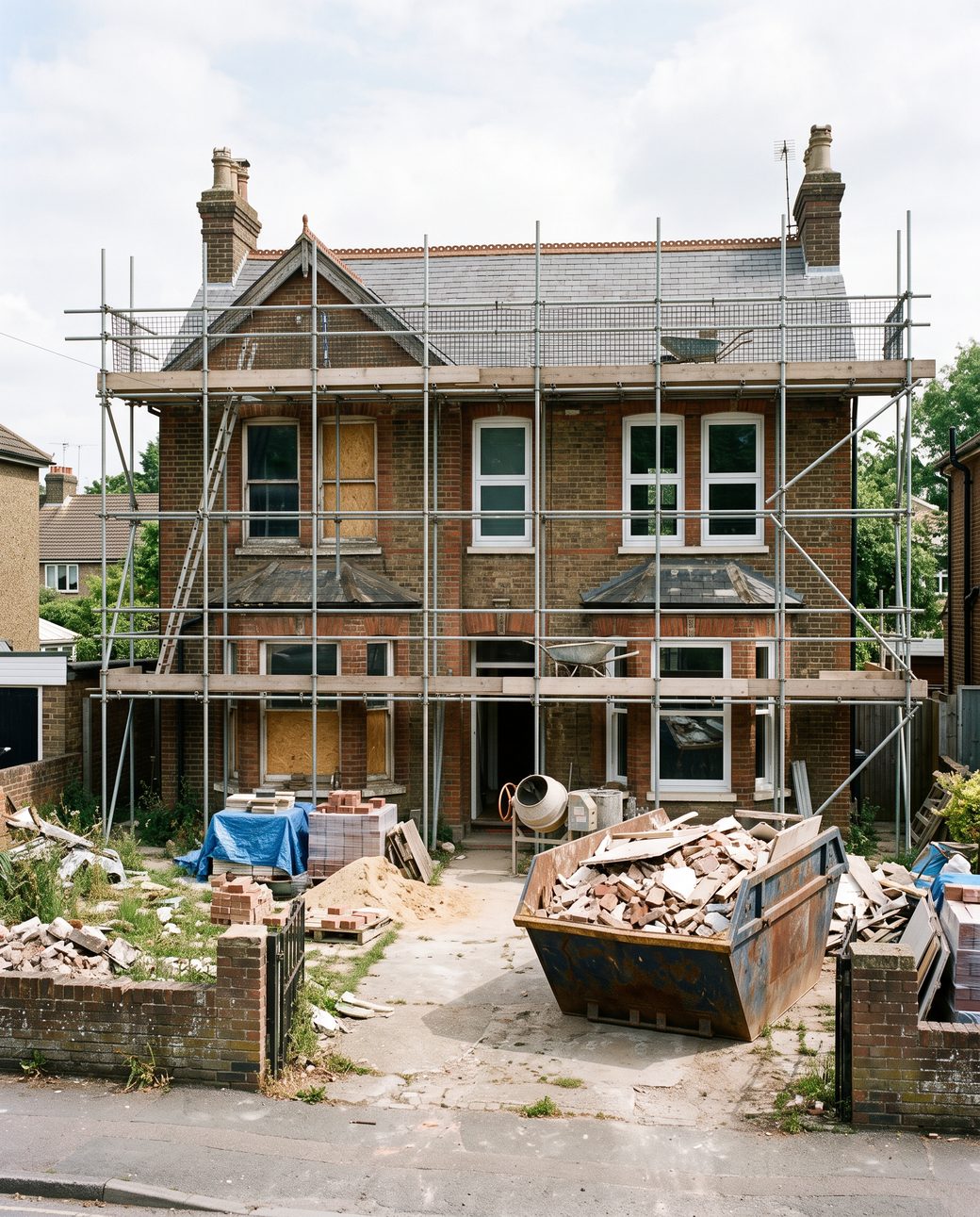
Bridging, done properly.
Bridging cases move fast, and a weak submission costs days. We check the security, the exit and the client's position before anything goes to a lender, so the underwriter gets a clean case first time.
Speed only helps if the case holds together. Most delays come from an unclear exit, a valuation that doesn't match expectations, or missing paperwork on the security. We deal with those questions before submission, not after.
We keep the case moving with the lender, the valuer and the solicitors, and we keep you updated against the completion deadline from the outset, whether it's an auction, a chain break or a refurbishment.
- Chain break, buying before selling
- Auction purchase with a tight deadline
- Property not mortgageable in its current state
- Refurbish, then refinance or sell
- Purchase below market value
- Clearing adverse credit before a remortgage
- Day-one remortgage (daylight bridging)
- Buying with cash-buyer speed
- Refinancing an existing bridge that's running out of term (re-bridging)
- Funding the VAT on a commercial purchase
- Buying land or a site before planning permission is granted
Regulated & unregulated
Regulated bridging. The loan is secured on a property the client or a close family member lives in, or will live in, such as a chain break on their own home. It's regulated by the FCA, so as the broker you'll need the relevant mortgage permissions. If it's outside your permissions, use our introducer service.
Unregulated bridging. For investors, landlords and businesses, secured on property no one in the client's family will live in. Most auction, refurbishment and investment bridges are unregulated.
Light & heavy refurbishment
Light refurbishment. Cosmetic and modernising work that doesn't change the structure, such as a new kitchen or bathroom, rewiring or redecoration.
Heavy refurbishment. Structural work, extensions, conversions or a change of use that needs planning permission or building regulations approval. Lenders will want a schedule of works and costs, and some will fund part of the works in stages.
A property without a working kitchen or bathroom usually can't be mortgaged as it stands, so it needs a bridge first.
What lenders look at
- The security. The property, its value and condition, and the loan to value.
- The exit. How the loan will be repaid, by sale, refinance or both, and evidence that it's realistic within the term.
- The client. Credit history, the deposit or equity, and experience, especially for refurbishment.
- Interest. Usually retained or rolled up, so the client makes no monthly payments. Some lenders allow monthly payments instead.
- The timescale. The completion deadline and the term needed. Bridging terms are measured in months, not years.
What we need
The more we have at the start, the faster we can give you an answer.
- The security address and estimated value
- The loan amount and term
- The exit, with evidence
- The client's credit history
- The completion deadline
- For refurbishment: the schedule of works and costs
Bridging questions
Can you place regulated bridging?
Yes. We can place regulated bridging, for example a chain break on your client's own home. As the broker, you'll need the relevant mortgage permissions, as the advice and the regulated activity sit with you. If it's outside your permissions, use our introducer service and our Impact Specialist Finance advisers will take it from there.
What exits do lenders accept?
Usually a sale, a refinance onto a mortgage, or both. The exit needs to be realistic for the timescale, and lenders will want evidence, such as a mortgage in principle or agent's valuation for a sale. A weak exit is the most common reason a bridging case stalls.
How quickly can a bridge complete?
It depends on the lender, the valuation and the legal work. Some cases complete in a few weeks, and auction purchases are planned around the completion deadline from the start. Tell us the deadline at the outset.
Can you refinance an existing bridge?
Yes, where there's a realistic exit and the original plan has been delayed, for example by works overrunning or a sale falling through.
What does it cost my client?
The Impact Packaging fee for bridging is £795, and from £795 for development. Any lender or valuation fees are payable separately.
How we work
You'll have a named contact from your first call, and a named case manager once the case is with us. We check the case against lender criteria before it's submitted, and you can follow every stage on impactPortal.
We get the case right before it goes to a lender, so the underwriter sees a complete submission first time. Some lenders and products are only available through packagers like us.
The client stays yours. We never cross-sell to your client.
We're approved by leading networks and mortgage clubs. Check that yours is listed.
Impact Packaging fee only. Any lender or valuation fees are payable separately. The packaging fee is payable once you agree to proceed with the application.
All packaging fees →
Not sure it's placeable? Ask us.
Call, or email us the key details: the client's circumstances, the property, the loan and the timescale. We aim to come back to you the same working day on whether there's a route forward.
01403 272625 Monday to Friday, 9:00 to 17:30Bridging lenders on our panel
Fees, procuration and links for each lender.